
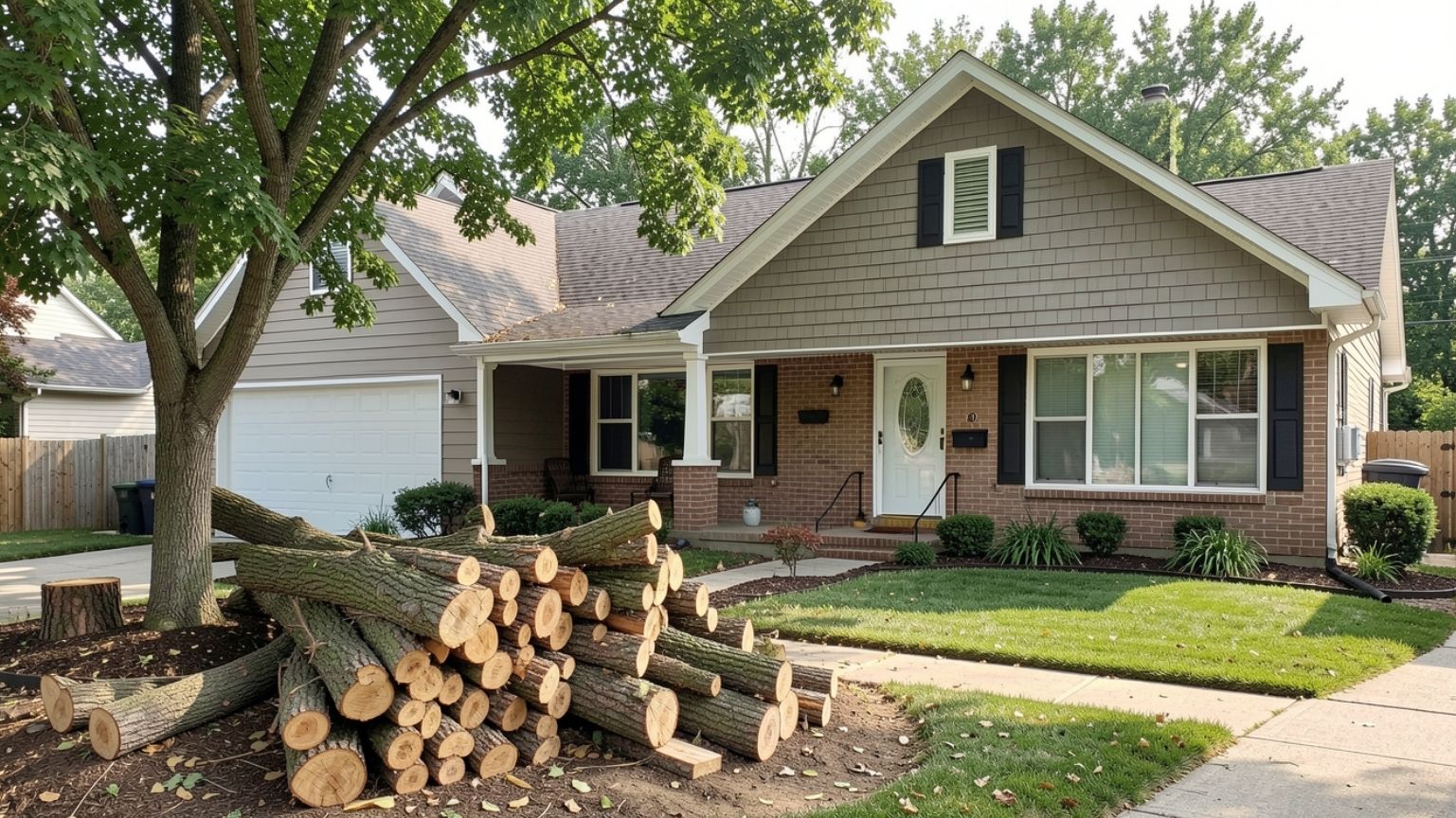
Trees play an important role in shaping a property, but not every tree continues to serve a positive purpose over time. As trees grow, age, or become structurally compromised, they can begin to interfere with safety, accessibility, and overall functionality. In many cases, what was once a beneficial feature can slowly turn into a source of risk or limitation.
Tree removal is often viewed as a last resort, yet when done thoughtfully, it can significantly improve how a property is used and protected. Removing problem trees helps reduce the risk of falling limbs, improves access around the home, and opens areas that were previously unusable due to overgrowth or poor placement.
By addressing unsafe or obstructive trees, homeowners create a safer environment while gaining more flexibility in how their outdoor space is designed and enjoyed. The sections below explore how professional tree removal enhances property safety and expands usable space without compromising long term landscape balance.
Understanding When Tree Removal Becomes Necessary
Trees add value and beauty to a property, but there are situations where removal becomes the safest and most practical option. Over time, trees may outgrow their surroundings, develop structural weaknesses, or experience root issues that compromise nearby structures. In residential areas, these problems often go unnoticed until they create visible damage or safety concerns.
Homeowners should view tree removal as a proactive step rather than a last resort. Removing a tree at the right time can prevent accidents, reduce liability, and preserve the overall balance of the landscape.
Many homeowners rely on Bump Your Stump to assess tree conditions and recommend removal only when it provides clear safety or functional benefits.
How Tree Removal Improves Overall Property Safety
Unsafe trees present a wide range of risks that can affect people, structures, and access points. Trees with internal decay, compromised roots, or unstable growth patterns are more likely to fail during storms or high winds. When these trees are located near homes, driveways, or walkways, the potential for injury or damage increases significantly.
Removing high risk trees eliminates these hazards and restores a safer environment for daily activities. It also reduces the chances of emergency situations that require immediate response.
Preventing Structural Damage to Homes and Buildings
Trees growing too close to structures can damage roofs, siding, and foundations. Over time, branches may scrape surfaces or break windows, while roots can interfere with underground systems. Removing these trees protects the long term integrity of the property.
Reducing Risks to People and Vehicles
Unstable trees and falling limbs pose dangers to family members, guests, and parked vehicles. Tree removal helps eliminate unpredictable hazards and improves overall safety.
Creating More Usable Space Around Your Property
Beyond safety, tree removal opens up valuable space that can be better used for landscaping, recreation, or functional outdoor areas. Overgrown trees often dominate yards, limiting how homeowners can enjoy their property. Once these trees are removed, new possibilities emerge for gardens, patios, play areas, or improved lawn layouts.
Many homeowners explore professional tree removal services to reclaim outdoor space and improve how their property functions day to day.
Improving Sunlight Exposure and Lawn Health
Large or poorly placed trees can block sunlight and prevent grass from growing evenly. In shaded areas, lawns often struggle with thinning patches, moisture retention, and poor root development. Removing problem trees allows sunlight to reach the ground more consistently, supporting healthier grass growth.
Improved light exposure also helps regulate soil moisture and temperature, creating conditions where lawns recover more quickly and maintain a stronger appearance throughout the year.
Enhancing Drainage and Soil Stability
Tree roots can interfere with natural drainage patterns, especially when combined with compacted soil. Water may pool around root systems or flow toward structures, increasing erosion and foundation concerns. Removing trees that disrupt drainage allows soil to settle more evenly and supports healthier water movement across the property.
Better drainage reduces standing water, improves soil structure, and contributes to a more resilient landscape.
Reducing Ongoing Maintenance and Long Term Costs
Problem trees often require frequent trimming, cleanup, and monitoring. Over time, these maintenance demands add up and may still fail to resolve underlying safety issues. Tree removal eliminates ongoing concerns and allows homeowners to focus on maintaining a simpler and more manageable landscape.
By addressing the root cause of repeated problems, removal can reduce long term expenses and prevent future damage.
Seeing the Visual and Functional Impact of Tree Removal
The difference tree removal makes is often immediately noticeable. Properties feel more open, accessible, and balanced once problem trees are removed. Sightlines improve, outdoor areas become easier to maintain, and overall curb appeal increases.
Homeowners who want to see how removal transforms real properties often explore completed projects through our work.
Why Professional Experience Matters for Tree Removal
Tree removal involves careful planning, specialized equipment, and strict safety procedures. Removing a tree incorrectly can cause additional damage to structures, landscaping, or nearby trees. Professional experience ensures removal is done safely and efficiently.
Homeowners frequently evaluate providers by learning why homeowners work with Bump Your Stump before moving forward with a removal project.
Safe Planning and Execution
Professionals evaluate tree size, location, and surrounding features to determine the safest removal approach.
Protecting the Surrounding Landscape
Experienced crews remove trees without damaging lawns, gardens, or nearby structures.
Final Words: Planning a Successful Tree Removal Project
Every property has unique needs, which is why planning plays a critical role in successful tree removal. Evaluations consider tree health, placement, and the homeowner’s long term goals for the property. This approach ensures removal improves both safety and functionality.
Homeowners ready to move forward often begin by choosing to schedule your appointment for a professional assessment.
For larger projects, flexible payment options are available through financing to support long term improvements.
Those looking for additional guidance on property care often explore more guides and insights to stay informed.
FAQ’s
Does tree removal improve property safety
Yes. Removing unsafe trees eliminates hazards that could lead to injury or damage.
Will removing a tree increase usable space
Yes. Tree removal opens areas for landscaping, recreation, and easier maintenance.
Can tree removal improve lawn health
Yes. Increased sunlight and reduced root competition support healthier grass growth.
When is tree removal better than trimming
Removal is recommended when a tree is structurally compromised or poses ongoing safety risks.
Is professional tree removal necessary
Yes. Professional removal ensures safety and prevents damage to surrounding property.