
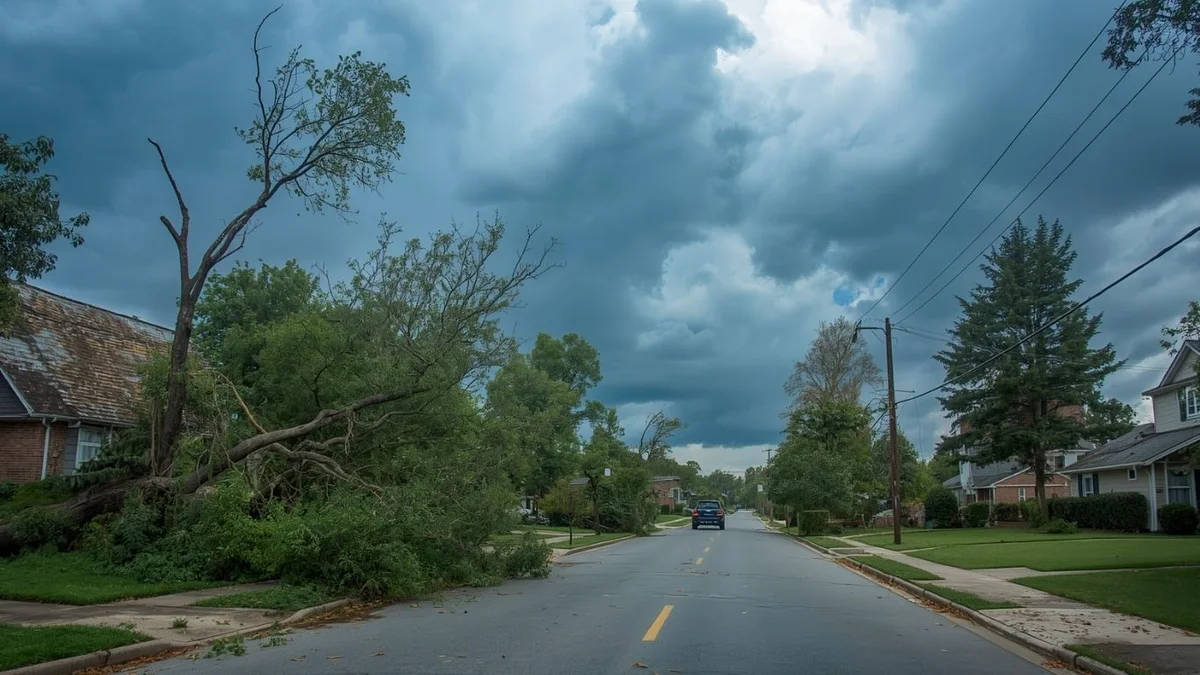
Storms are not all the same, and their effects on trees vary depending on the season. In residential areas, these differences become especially noticeable because trees grow close to homes, driveways, and other structures. Each season introduces unique weather conditions that influence how trees respond to stress, including wind, rain, and temperature changes.
Seasonal storm patterns shape how trees develop over time. Some storms weaken branches gradually, while others cause sudden structural failure. Recognizing how these patterns affect trees helps property owners take preventive action before damage occurs.
Reliable guidance on managing storm related risks is often found through experienced providers such as Bump Your Stump, where local knowledge supports safer property decisions.
Spring Storms and Their Effect on New Growth
Spring storms often arrive during a time of active growth. Trees are developing new leaves and branches, which are not yet fully strengthened. This makes them more vulnerable to sudden wind and rain events.
Heavy rainfall during spring can saturate the soil, weakening root stability. Newly formed branches may bend or break more easily, especially when combined with strong wind. In residential areas, this can lead to debris falling near walkways or structures.
Spring storms also reveal hidden weaknesses that developed during winter. Trees that appear healthy may have internal damage that becomes visible only when new growth begins.
Summer Storms and High Wind Exposure
Summer storms are often characterized by strong winds, rapid weather changes, and intense rainfall. During this time, trees are fully developed with dense canopies that catch wind more easily. This increases the pressure placed on branches and trunks.
In residential settings, where trees are often surrounded by open spaces or structures, wind patterns can shift unpredictably. This makes certain trees more vulnerable depending on their location.
Dense Canopies and Wind Resistance
Full leaf coverage increases wind resistance, placing additional strain on branches. Trees that have not been maintained are more likely to experience breakage.
Soil Saturation From Heavy Rainfall
Sudden downpours can soften the ground, reducing root stability and increasing the likelihood of leaning or uprooting.
Understanding how these conditions affect trees often leads property owners to consider professional storm damage services when evaluating risk after severe weather.
Fall Storms and Structural Weaknesses in Trees
Fall storms bring a different set of challenges. As trees begin shedding leaves, structural weaknesses that were previously hidden become more noticeable. Branches that were supported by foliage may become unstable once leaves drop.
Wind during fall storms can expose these weaknesses quickly. Dead or aging limbs are more likely to break during this time, especially when combined with seasonal dryness.
Fall is often considered a transitional period where trees shift from active growth to dormancy. Storm damage during this stage can influence how trees perform in the following seasons.
Winter Storms and the Weight of Snow and Ice
Winter storms create some of the most severe conditions for trees. Snow and ice accumulation add significant weight to branches, which can lead to bending, cracking, or complete failure.
Unlike wind based damage, winter stress is often gradual. The added weight builds over time, increasing pressure until branches can no longer support the load.
In residential areas, this type of damage can affect roofs, driveways, and nearby structures. Trees that are already weakened by previous seasons are particularly vulnerable.
Why Residential Areas Experience Unique Tree Damage Risks
Trees in residential areas face different conditions compared to those in open environments. Buildings, fences, and paved surfaces all influence how wind moves through a property. This creates uneven pressure on trees and can lead to unpredictable damage patterns.
Space limitations also play a role. Trees planted close to homes or property lines may not have the room needed to grow evenly. This can result in unbalanced structures that are more susceptible to storm damage.
Seeing how these factors affect real properties often helps clarify the impact of seasonal storms, which is why many property owners review examples through our work.
The Importance of Preventive Tree Care Across Seasons
Managing trees throughout the year is one of the most effective ways to reduce storm related damage. Preventive care focuses on maintaining strong branch structure, balanced growth, and healthy root systems.
Seasonal inspections help identify potential risks before storms occur. Addressing weak limbs, uneven growth, or soil issues early allows trees to better withstand changing weather conditions.
Long term planning often includes professional evaluation to ensure trees remain safe and stable. Learning why homeowners work with Bump Your Stump provides insight into how experienced care supports better outcomes.
Preparing Your Property for Changing Weather Conditions
Preparation is key when it comes to reducing storm damage risks. Each season presents different challenges, and adjusting maintenance routines accordingly helps protect the property.
Removing weak branches, monitoring tree health, and maintaining clear space around structures are all part of effective preparation. These actions improve safety and reduce the likelihood of unexpected damage.
Taking action at the right time often begins when property owners decide to schedule your appointment for a professional assessment.
Managing Long Term Costs of Storm Related Tree Damage
Storm damage can lead to unexpected expenses if not managed properly. Preventive care helps reduce these costs by addressing potential issues before they become serious problems.
Planning for tree maintenance and storm preparation may also involve budgeting for professional services. Flexible options are available through financing to help support ongoing property care.
Continuing to Learn About Seasonal Tree Care
Understanding how storms affect trees across different seasons allows property owners to make better decisions about maintenance and planning. As conditions change, staying informed helps maintain a safe and functional landscape.
Ongoing education and seasonal guidance can be found through more guides and insights, where additional resources support long term property care.
FAQs
Do different seasons affect trees in different ways
Yes. Each season introduces unique conditions that impact tree stability and growth.
Which season causes the most tree damage
Winter and summer storms often cause the most noticeable damage due to weight and wind.
Can trees be prepared for seasonal storms
Yes. Regular maintenance and inspections help reduce storm related risks.
Why are residential trees more vulnerable
Limited space and nearby structures create uneven stress on trees during storms.
Is professional evaluation necessary after storms
Yes. Professionals can identify hidden damage and recommend appropriate solutions.