
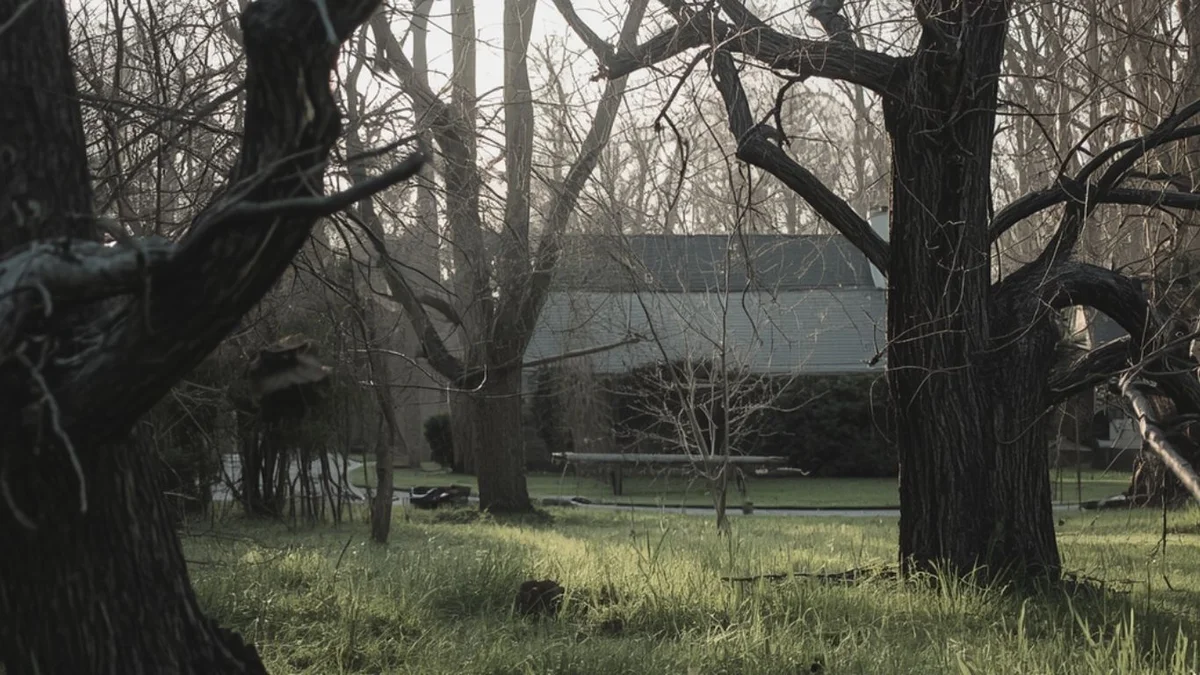
Dead trees are often viewed as isolated problems, but their impact extends far beyond the tree itself. Once a tree dies, it begins affecting the surrounding landscape in ways that many property owners do not immediately recognize. From soil conditions and plant health to property safety and overall curb appeal, a dead tree can influence nearly every part of an outdoor environment.
Unlike healthy trees that contribute to the balance of a landscape, dead trees gradually become liabilities. Their branches weaken, root systems deteriorate, and their ability to support surrounding ecosystems declines. Over time, these changes can affect nearby vegetation, interfere with landscape maintenance, and create safety concerns that become more serious with each passing season.
Understanding how dead trees influence the landscape helps property owners make informed decisions about maintenance and long term property care. Addressing the issue early often prevents larger challenges and supports a healthier, safer outdoor environment.
Understanding the Role Trees Play in Landscape Health
Trees are among the most influential elements within a landscape. Healthy trees provide shade, help regulate moisture levels, contribute organic matter to the soil, and support the visual balance of a property. Their root systems help stabilize the ground while their canopies create habitats for beneficial wildlife.
When a tree dies, these contributions begin to disappear. The landscape must adjust to the loss of shade, changing root activity, and declining structural stability. While these transitions may happen gradually, they can alter the way nearby plants, grass, and soil function.
Property owners often seek professional guidance from Bump Your Stump when evaluating how a dead tree may be affecting the health and appearance of their landscape.
How Dead Trees Affect Nearby Plant Growth
A dead tree changes the growing conditions around it. While living trees actively exchange nutrients and moisture with the surrounding environment, dead trees begin a process of decline that influences nearby vegetation.
As the tree stops absorbing water and nutrients, soil conditions may shift. Plants that developed alongside the tree must adapt to new levels of sunlight, moisture, and competition. Some species thrive under these changes, while others struggle to survive.
Nearby shrubs and flowers often experience inconsistent growth patterns after a tree dies. Increased sunlight exposure can dry out soil more quickly, while changing root conditions may affect nutrient availability.
Changes in Sunlight Exposure
The loss of leaves and canopy coverage allows more sunlight to reach the ground. While additional sunlight may benefit some plants, others that prefer partial shade may experience stress.
Altered Moisture Distribution
Without an active root system drawing moisture from the soil, water movement patterns can change. This may create wetter or drier conditions depending on the location and surrounding landscape features.
Soil Conditions Often Change After Tree Death
The condition of the soil surrounding a dead tree frequently changes over time. As roots begin to decay, underground voids can form, affecting soil stability and structure.
Decomposition also alters the biological activity within the soil. Microorganisms begin breaking down organic material, which influences nutrient cycling and moisture retention. While decomposition is a natural process, it can create uneven conditions throughout the landscape.
These changes are particularly noticeable in lawns where grass growth becomes inconsistent. Areas around the former root system may settle differently, leading to irregular ground surfaces and maintenance challenges.
The Impact of Dead Trees on Lawn Health
Lawns often experience noticeable changes when a nearby tree dies. Grass that once grew beneath filtered sunlight may suddenly be exposed to full sun throughout the day. This shift affects moisture levels, growth patterns, and overall lawn appearance.
In addition to changes in light exposure, decaying roots beneath the surface can influence how the soil behaves. Certain areas may become softer while others become compacted. These variations create challenges for mowing, irrigation, and routine lawn care.
Over time, the lawn may develop uneven growth patterns that require additional maintenance to restore balance.
Dead Trees Can Attract Insects and Pests
One of the most common concerns associated with dead trees is increased insect activity. Decaying wood creates an attractive environment for many species that feed on decomposing material.
As insects establish themselves within the tree, they may begin spreading throughout the surrounding landscape. Some insects remain confined to the decaying wood, while others migrate to nearby vegetation or structures.
Pest activity often increases as decomposition progresses. This can create additional maintenance concerns and contribute to the decline of nearby plants.
Common Pest Related Concerns
Dead trees may attract:
- Beetles that feed on decaying wood
- Insects that nest within hollow sections
- Organisms that contribute to further decomposition
- Pests that migrate to nearby vegetation
- Species that weaken surrounding plant life
Managing these conditions early helps reduce the likelihood of widespread landscape issues.
How Dead Trees Affect Property Appearance
Visual appeal plays an important role in landscape design. Healthy trees contribute structure, balance, and seasonal interest. Dead trees, however, often have the opposite effect.
A dead tree can become a focal point for the wrong reasons. Bare branches, missing foliage, and visible decay draw attention away from otherwise healthy landscape features. Even a well maintained property may appear neglected when a dead tree remains standing.
Removing the tree often restores visual balance and allows surrounding landscape elements to become the primary focus once again.
Many property owners review examples through our work to see how removing dead trees improves the appearance of outdoor spaces.
Safety Risks Created by Dead Trees
Beyond aesthetics, dead trees present significant safety concerns. As wood loses strength, branches become increasingly likely to fail. Entire sections of the tree may eventually collapse without warning.
These risks become more severe during storms, strong winds, or periods of heavy precipitation. Dead trees lack the flexibility and resilience of healthy trees, making them more susceptible to breakage.
The location of the tree plays a major role in determining the level of risk. Trees near homes, driveways, walkways, and utility lines require careful evaluation.
Professional tree removal services are often recommended when a dead tree begins affecting property safety or landscape stability.
Root Decay Can Affect Landscape Stability
Many property owners focus on the visible portion of a dead tree while overlooking what is happening underground. Root systems continue changing long after the tree has died.
As roots decompose, they lose their ability to stabilize soil. This can contribute to settling, erosion, and uneven ground conditions. Areas that once benefited from an active root network may become more vulnerable to environmental stress.
Landscape features such as walkways, garden beds, and lawn areas can all be affected by these underground changes.
Long Term Maintenance Challenges
Leaving a dead tree in place often increases maintenance demands over time. Branches may need to be cleaned up regularly, surrounding plants may require additional attention, and landscape conditions can become less predictable.
These ongoing responsibilities consume time and resources that could otherwise be invested in improving the property. Addressing the issue early often simplifies maintenance and reduces future complications.
Long term planning becomes easier when landscape elements contribute positively rather than creating ongoing concerns.
Why Professional Evaluation Matters
Determining the full impact of a dead tree requires more than a visual inspection. Factors such as tree species, location, size, and root condition all influence how the landscape is affected.
Professional evaluations help identify risks that may not be immediately obvious. This includes assessing structural integrity, root stability, and the potential impact on surrounding vegetation.
Learning more about why homeowners work with Bump Your Stump often provides valuable insight into the importance of experienced tree care and landscape management.
Planning for Landscape Recovery After Tree Removal
Removing a dead tree is often the first step toward restoring balance within the landscape. Once the tree is gone, property owners can focus on improving soil conditions, encouraging healthy plant growth, and redesigning outdoor spaces.
Recovery plans may include lawn restoration, new plantings, or adjustments to irrigation and drainage systems. These improvements help ensure the landscape remains healthy and functional moving forward.
The process often begins when property owners decide to schedule appointment for a professional assessment and removal consultation.
For larger projects involving multiple landscape improvements, flexible options are available through financing to help manage costs.
Additional property care strategies and educational resources can be found through more guides and insights.
Frequently Asked Questions
Can a dead tree affect healthy plants nearby?
Yes. Changes in sunlight, soil conditions, and moisture levels can influence nearby vegetation.
Do dead trees attract insects?
Yes. Decaying wood often attracts insects that feed on decomposing material.
Can a dead tree damage a lawn?
It can contribute to uneven soil conditions, changing light exposure, and inconsistent grass growth.
Are dead trees dangerous during storms?
Yes. Dead trees are more likely to lose branches or fail completely during severe weather.
How do dead roots affect the landscape?
As roots decay, soil stability may change, leading to settling and uneven ground conditions.
Should a dead tree always be removed?
Trees located near structures, activity areas, or other landscape features should be professionally evaluated to determine the safest course of action.