
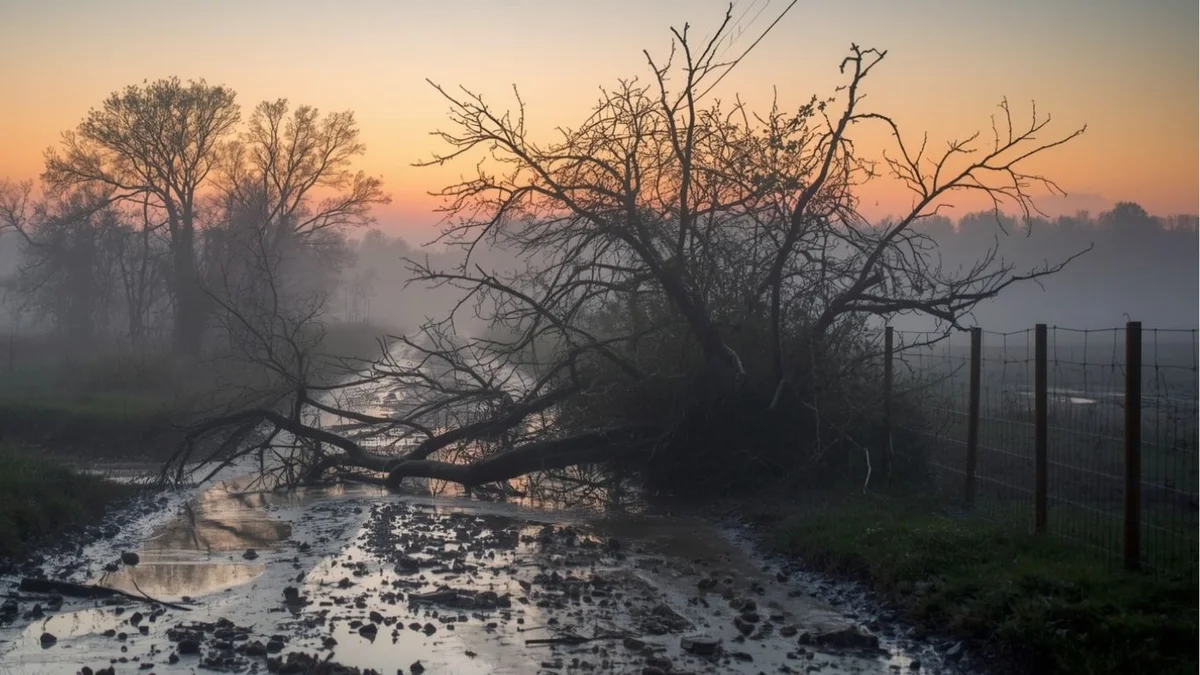
Storms can leave behind obvious signs of damage such as fallen trees, broken limbs, and scattered debris. However, some of the most serious risks are not immediately visible. Once the weather clears, many property owners focus on what they can see while overlooking hazards that continue to threaten their home, landscape, and safety.
Hidden storm damage often develops below the surface or within the structure of a tree. A tree may appear stable while suffering from root damage, internal cracks, or weakened branches that could fail days or even weeks later. Understanding these risks allows property owners to make informed decisions and reduce the chance of future problems.
The sections below explore the most common hidden hazards left behind after storms and explain why prompt evaluation is an important part of protecting your property.
Why Hidden Storm Damage Is Often More Dangerous Than Visible Damage
Visible storm damage usually receives immediate attention because it is easy to identify. Fallen trees, broken fences, and scattered debris clearly indicate that action is needed. Hidden damage is different because it often remains unnoticed until a secondary problem develops.
A tree with internal structural damage may continue standing long after the storm has passed. Roots may have shifted underground without obvious signs above the surface. Branches weakened by strong winds may remain attached temporarily before eventually falling.
These hidden conditions create uncertainty because they can change over time. What appears safe immediately after a storm may become hazardous days later. Understanding this delayed risk is one of the most important aspects of post storm property care.
Professional evaluation often helps identify issues that are not visible during a routine inspection. Many property owners trust Bump Your Stump when they need experienced insight into storm related tree hazards.
Hidden Root Damage Beneath the Surface
One of the most overlooked consequences of severe weather is damage to tree root systems. While branches and trunks receive most of the attention, roots are responsible for anchoring the tree and maintaining stability.
Heavy rainfall can saturate the soil and reduce its ability to support root structures. Strong winds place additional pressure on trees, causing roots to shift or break underground. Even when the tree remains upright, the root system may no longer provide adequate support.
This type of damage is especially concerning because it is difficult to detect without professional assessment. A tree can appear healthy while becoming increasingly unstable beneath the surface.
Signs of Potential Root Damage
Several indicators may suggest underground root problems:
- Soil lifting near the base of the tree
- Leaning that was not present before the storm
- Cracks forming in surrounding soil
- Sudden changes in tree posture
- Reduced stability during windy conditions
Ignoring these warning signs can increase the likelihood of future tree failure.
Hanging Branches and Suspended Debris
Not all branches fall immediately during a storm. Some become trapped within the canopy or suspended in neighboring trees. These branches may appear secure, but they often represent one of the most dangerous hazards remaining after severe weather.
Suspended limbs can shift unexpectedly due to gravity, wind, or additional stress. Because they are elevated above the ground, their eventual fall can cause injury or property damage.
The danger is increased when homeowners attempt to remove these branches without proper equipment or training. What appears to be a simple cleanup task may involve significant risk.
Professional storm damage services are often used to address suspended branches safely and prevent additional accidents.
Internal Tree Cracks That Cannot Be Seen From the Outside
Trees experience tremendous stress during storms. Wind force can cause trunks and major limbs to twist, bend, and flex beyond their normal limits. While some damage is visible, internal cracks frequently remain hidden.
These cracks weaken structural integrity and reduce the tree’s ability to withstand future weather events. In many cases, the tree continues standing for weeks or months before a branch or section of the trunk eventually fails.
Internal damage is particularly difficult to identify because bark often remains intact. The tree may appear healthy while concealing significant structural weaknesses.
This is one reason why post storm inspections are important even when no obvious damage is visible.
Soil Compaction and Drainage Problems After Heavy Rainfall
Storms affect more than trees alone. Heavy rainfall can dramatically change soil conditions throughout a property. Saturated ground becomes vulnerable to compaction, erosion, and drainage issues that continue long after the storm ends.
Compacted soil restricts airflow and water movement. This affects grass, plants, and tree roots by limiting access to essential nutrients. Standing water may also develop in areas that previously drained normally.
Over time, these conditions can weaken the landscape and contribute to future property maintenance challenges.
Common Soil Related Issues After Storms
Property owners often encounter:
- Water pooling in low lying areas
- Erosion near tree roots
- Soft or unstable ground conditions
- Reduced lawn health
- Drainage patterns that have changed unexpectedly
Addressing these concerns early helps prevent long term landscape damage.
Trees That Appear Healthy but Are Structurally Compromised
One of the most deceptive storm related hazards involves trees that look perfectly normal after severe weather. The absence of visible damage does not always indicate that a tree is safe.
Strong winds may create stress fractures within branches or trunks. Root systems may have shifted underground. Damage may also occur where limbs connect to the trunk, weakening structural support without creating obvious signs.
Because these issues are hidden, many property owners mistakenly assume the tree has survived without consequences. Unfortunately, these weakened trees often fail during subsequent storms or periods of strong wind.
Property Access Hazards Created by Storm Debris
Storm debris does not always block access immediately. Branches, scattered wood, and displaced materials may partially obstruct walkways, driveways, and outdoor spaces.
These conditions create tripping hazards and reduce visibility throughout the property. Debris may also conceal uneven ground, exposed roots, or damaged infrastructure.
Removing debris improves both safety and functionality while allowing a clearer assessment of underlying conditions.
Many property owners gain a better understanding of how professional cleanup transforms affected properties by reviewing our work.
Why Delayed Action Can Lead to Bigger Problems
Hidden hazards rarely improve on their own. In most cases, storm related damage becomes more severe over time. Weakened branches continue deteriorating, unstable trees become increasingly vulnerable, and drainage issues worsen with additional rainfall.
Delaying assessment can also increase repair costs. Problems that might have been addressed early often require more extensive solutions once secondary damage develops.
Prompt action helps reduce uncertainty and supports a safer recovery process.
The Importance of Professional Storm Damage Assessments
A professional assessment provides a comprehensive understanding of storm related risks. Experienced crews evaluate trees, soil conditions, and structural concerns that may not be obvious to the average property owner.
The goal is not simply to identify current hazards but also to anticipate future problems. This proactive approach helps prevent unexpected failures and supports long term property safety.
A closer look at why homeowners work with Bump Your Stump often highlights the value of professional experience when evaluating hidden storm damage.
Planning the Next Steps After a Storm
Every storm affects properties differently. Some situations require immediate intervention, while others benefit from ongoing monitoring and maintenance. The key is understanding what risks remain once the visible cleanup is complete.
Scheduling a professional inspection allows property owners to identify concerns before they become emergencies. Taking action early supports safer outdoor spaces and reduces the likelihood of future complications.
The process often begins when property owners decide to schedule your appointment for a detailed evaluation.
For larger recovery projects, flexible options are available through financing to help manage restoration costs.
Additional educational resources and seasonal property care tips can be found through more guides and insights.
Frequently Asked Questions
Can a tree be damaged even if it looks healthy after a storm?
Yes. Internal cracks, root damage, and structural weaknesses are often hidden and may not be visible immediately.
How long after a storm can hidden damage become dangerous?
Some hazards appear within days, while others may take weeks or months to develop.
Are leaning trees always a sign of storm damage?
Not always, but a new lean after a storm should be evaluated because it may indicate root instability.
Why is root damage difficult to identify?
Most root systems are underground, making structural issues hard to detect without professional assessment.
Should storm damaged trees always be removed?
No. Some trees can be preserved through proper care, while others may require removal depending on the severity of the damage.
What is the most overlooked hazard after a storm?
Hidden structural damage within trees is one of the most commonly overlooked risks because it often lacks visible warning signs.