
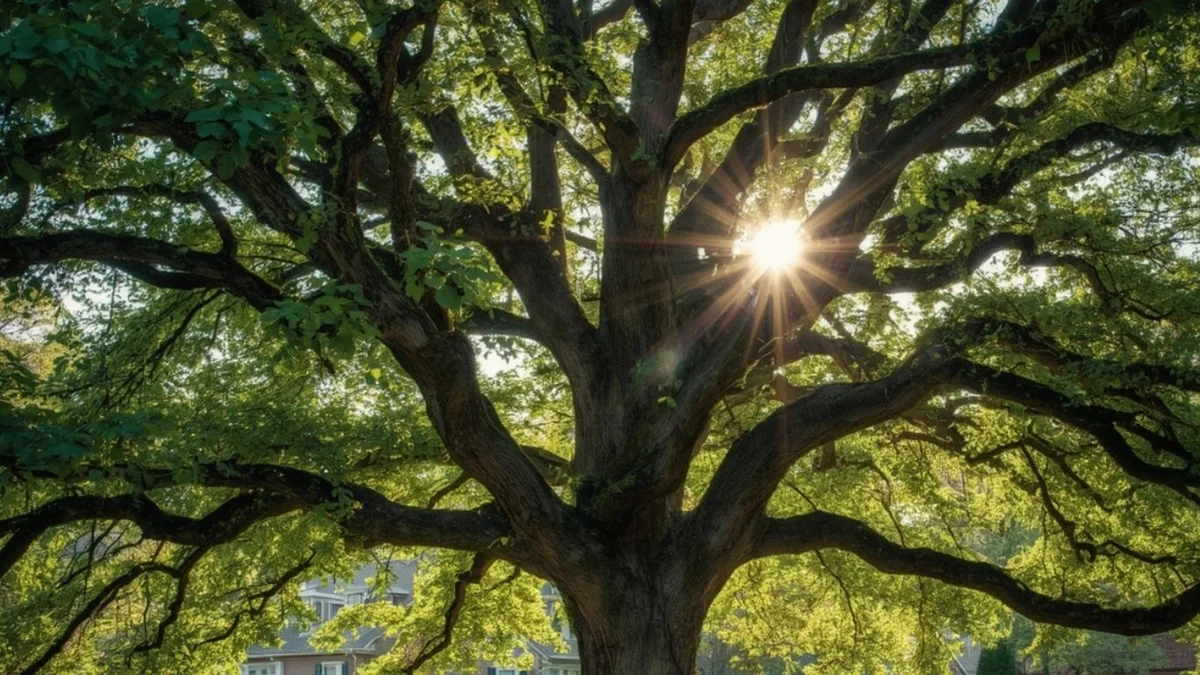
Trees are one of the most valuable features of a residential property, providing shade, privacy, beauty, and environmental benefits throughout the year. However, healthy trees do not maintain themselves. As they continue to grow, branches become larger, canopies become denser, and natural growth patterns may begin affecting nearby structures and the overall landscape.
Many homeowners only think about tree care when a branch breaks or a storm causes damage. In reality, regular tree pruning is one of the most effective ways to reduce future maintenance needs before problems develop. By removing unnecessary growth and improving tree structure, pruning helps trees remain healthier while minimizing the amount of corrective work required later.
Instead of reacting to emergencies, homeowners who invest in preventive tree care often enjoy safer properties, healthier landscapes, and lower long term maintenance costs. Understanding how pruning supports the overall health of a property makes it easier to plan for the future while protecting both trees and surrounding outdoor spaces.
Understanding Why Tree Maintenance Is an Ongoing Process
Trees constantly respond to their environment. Every growing season produces new branches, additional foliage, and continued expansion of the canopy. While this natural growth contributes to a beautiful landscape, it also creates new maintenance requirements that increase over time.
Without periodic pruning, branches begin competing for space, sunlight, and structural support. Dense canopies reduce airflow, weaker limbs remain attached, and the overall balance of the tree gradually changes.
These developments rarely create immediate problems, but they often become noticeable after several years. What begins as a small maintenance issue can eventually require much larger corrective work if ignored.
Many property owners work with Bump Your Stump to establish a proactive tree care plan that supports healthier growth while reducing future maintenance demands.
How Proper Tree Pruning Supports Long Term Tree Health
Healthy trees require more than water and sunlight. They also benefit from thoughtful structural maintenance that encourages balanced growth throughout every stage of development.
Tree pruning removes branches that no longer contribute positively to the tree. This includes weak growth, crossing limbs, damaged branches, and areas where excessive density limits airflow.
By reducing unnecessary growth, the tree can redirect its energy toward developing stronger limbs and healthier foliage. This improves the overall structure while reducing future problems that often require larger maintenance efforts.
Healthy trees are generally more resilient during changing weather conditions and better equipped to continue growing without developing structural weaknesses.
Preventing Small Problems From Becoming Major Repairs
Many expensive tree related projects begin with relatively minor issues that were overlooked for several growing seasons. A small branch rubbing against another limb may eventually create structural damage. Dense canopy growth can hide developing weaknesses until they become much larger concerns.
Routine pruning helps identify and correct these issues while they remain manageable.
Instead of waiting until branches become dangerously large or begin affecting nearby structures, regular maintenance allows problems to be addressed early with significantly less effort.
This preventive approach often reduces future costs while extending the useful life of mature trees.
Improving Tree Structure Through Strategic Pruning
Tree structure determines how effectively a tree supports its own weight throughout changing seasons. As trees mature, some branches naturally become less stable than others. Multiple limbs may compete for the same space while uneven growth creates unnecessary stress.
Strategic pruning improves this structure by encouraging balanced development throughout the canopy.
Removing Weak Branches
Weak or poorly attached branches are often the first to fail during storms or periods of high wind. Removing them before problems develop improves overall tree stability.
Encouraging Balanced Growth
Proper pruning distributes growth more evenly throughout the canopy, reducing unnecessary weight on individual limbs.
Improving Air Movement
Better airflow throughout the canopy helps branches dry more efficiently after rainfall while supporting healthier overall growth.
Reducing Storm Related Maintenance
Storms are one of the leading causes of unexpected tree maintenance. Heavy rain, strong winds, and snow place significant stress on trees, particularly those with dense or unbalanced canopies.
Trees that receive routine pruning generally experience fewer storm related problems because excess weight and weak branches have already been removed.
Balanced canopies allow wind to move through the tree more naturally instead of placing excessive pressure on large sections of the crown.
Professional tree pruning services help homeowners reduce the likelihood of storm related maintenance while improving overall tree stability.
Making Lawn and Landscape Maintenance Easier
Tree pruning benefits much more than the tree itself. The surrounding landscape also becomes easier to maintain when excessive growth is controlled.
Dense branches often block sunlight from reaching grass and ornamental plants. Lower limbs may interfere with mowing, landscaping equipment, or routine property maintenance.
After appropriate pruning, homeowners frequently notice improvements such as:
- Better sunlight reaching lawns and garden beds
- Improved airflow throughout landscaped areas
- Easier mowing beneath tree canopies
- Greater visibility throughout the yard
- Reduced accumulation of fallen branches
- Improved access around walkways and outdoor spaces
These improvements simplify routine maintenance while supporting healthier landscape development.
Helping Trees Grow Away From Structures
As trees mature, branches naturally extend toward available sunlight. Without maintenance, this growth often brings limbs closer to roofs, siding, fences, garages, and utility areas.
Allowing branches to continue growing unchecked increases future maintenance requirements. Roof cleaning becomes more difficult, gutters collect additional debris, and branches may eventually contact structures during windy conditions.
Routine pruning helps guide tree growth away from buildings before these conflicts develop.
This preventive approach protects both the tree and nearby structures while reducing future repair needs.
Reducing Debris Throughout the Year
One maintenance challenge many homeowners overlook is the continuous accumulation of natural tree debris.
Small branches, overcrowded twigs, and weakened limbs regularly fall from trees that have not been properly maintained. This creates additional cleanup throughout the year, even outside major storm seasons.
Routine pruning reduces this unnecessary debris by removing unstable growth before it naturally breaks away.
Cleaner landscapes require less frequent cleanup while maintaining a more attractive overall appearance.
Improving Property Appearance Through Consistent Maintenance
Well maintained trees contribute significantly to curb appeal. Balanced canopies, healthy foliage, and organized branch structure create a cleaner and more attractive landscape.
Conversely, overgrown trees often make properties appear neglected even when lawns and gardens receive regular care.
Professional pruning helps preserve the natural beauty of mature trees while supporting the overall visual balance of the property.
Many homeowners appreciate seeing the results of professional tree care by reviewing our work before planning maintenance projects.
Lowering Long Term Property Maintenance Costs
One of the greatest advantages of routine tree pruning is its ability to reduce long term maintenance expenses. Trees that receive consistent care are less likely to develop structural problems that require emergency services or extensive corrective work.
Small pruning projects are generally far easier to manage than major tree restoration efforts. By removing weak growth early, homeowners reduce the likelihood of broken branches, damaged structures, and unexpected cleanup following severe weather.
Preventive maintenance also helps preserve other landscape features. Lawns, flower beds, fences, and outdoor living spaces experience less damage when tree growth remains controlled. Instead of spending time and money repairing avoidable problems, homeowners can focus on improving and enjoying their property.
Over several years, routine pruning often proves to be one of the most cost effective investments in overall landscape care.
Supporting Healthier Growth Throughout Every Season
Tree growth changes with the seasons, and pruning helps trees adapt to these natural cycles more effectively. Spring encourages rapid growth, summer produces dense foliage, autumn prepares trees for dormancy, and winter allows the tree to conserve energy.
Each season places different demands on the tree. Regular pruning helps maintain balance throughout these transitions by removing unnecessary growth before seasonal stress becomes a problem.
Healthy branch spacing allows sunlight to reach interior portions of the canopy while improving air circulation. These conditions support stronger development and reduce unnecessary competition between branches.
Trees that grow with proper structure typically require fewer corrective services later because their development remains balanced from year to year.
Why Routine Pruning Helps Protect Nearby Trees
Trees rarely exist in isolation. On residential properties they often share growing space with other trees, shrubs, and ornamental plants. When one tree becomes overgrown, neighboring vegetation may also be affected.
Large canopies can block sunlight needed by smaller trees and landscape plants. Heavy branch growth may crowd surrounding vegetation, reducing airflow and increasing competition for available resources.
Routine pruning helps maintain appropriate spacing throughout the landscape, allowing nearby plants to grow more evenly while reducing unnecessary competition.
This balanced environment supports healthier landscapes that require less ongoing maintenance.
Creating Safer Outdoor Living Spaces
Residential landscapes are designed to be enjoyed. Families spend time in backyards, children play beneath trees, and outdoor entertaining areas often become gathering places throughout the year.
Overgrown branches can reduce the safety and usability of these spaces. Low hanging limbs interfere with walkways, patios, and driveways, while weakened branches increase the possibility of unexpected failures.
Routine pruning helps maintain clear outdoor areas while improving visibility throughout the property.
Additional benefits include:
- Improved clearance above sidewalks and driveways
- Better visibility around entrances and outdoor seating areas
- Reduced risk of branches interfering with recreational spaces
- Easier access for lawn maintenance equipment
- Greater confidence during seasonal storms
Maintaining safer outdoor spaces contributes to a more functional property throughout every season.
Why Professional Tree Pruning Produces Better Long Term Results
Successful pruning involves much more than removing random branches. Every cut influences how the tree grows in the future. Improper pruning may create unnecessary stress, encourage poor growth patterns, or reduce the tree’s structural stability.
Professional evaluations consider several important factors before pruning begins, including tree species, maturity, branch structure, seasonal timing, and overall health.
This careful approach allows each tree to be maintained according to its individual needs while supporting long term health and reducing future maintenance requirements.
Learning more about why homeowners work with Bump Your Stump helps property owners understand the importance of experienced tree care when planning long term maintenance.
Planning Preventive Tree Care for the Future
Preventive maintenance is one of the most effective ways to protect both trees and residential landscapes. Rather than waiting for visible problems to appear, homeowners who schedule routine inspections often identify concerns before they require extensive corrective work.
Long term planning helps create a landscape that remains healthy, attractive, and easier to maintain throughout every stage of tree growth.
Professional guidance allows maintenance schedules to be adjusted according to tree age, species, property conditions, and seasonal growth patterns.
When property owners are ready to begin a proactive tree care program, they can schedule your appointment for a professional evaluation.
For larger maintenance projects involving multiple trees, flexible payment options are available through financing to help make long term property care more manageable.
Property owners who want additional seasonal tree care advice and educational resources can continue learning through more guides and insights.
Frequently Asked Questions
How does tree pruning reduce future maintenance?
Tree pruning removes weak and unnecessary growth before it develops into larger structural problems, reducing future cleanup, repairs, and corrective tree work.
How often should residential trees be pruned?
The ideal schedule depends on the tree species, age, health, and growth rate. Periodic professional evaluations help determine the most appropriate maintenance interval.
Can pruning reduce storm related damage?
Yes. Removing weak or overcrowded branches improves canopy balance and reduces the likelihood of branch failure during strong winds and severe weather.
Does tree pruning improve lawn maintenance?
Yes. Proper pruning allows more sunlight and airflow to reach the lawn while creating better clearance for mowing and other routine landscape maintenance.
Is professional pruning better than pruning trees yourself?
Professional pruning considers the tree’s long term health, structural integrity, and future growth. Proper techniques help avoid unnecessary damage while producing healthier, stronger trees.
Why is preventive tree maintenance important?
Preventive maintenance helps identify small concerns before they become expensive problems, improves tree health, protects surrounding structures, and reduces long term property maintenance needs.