
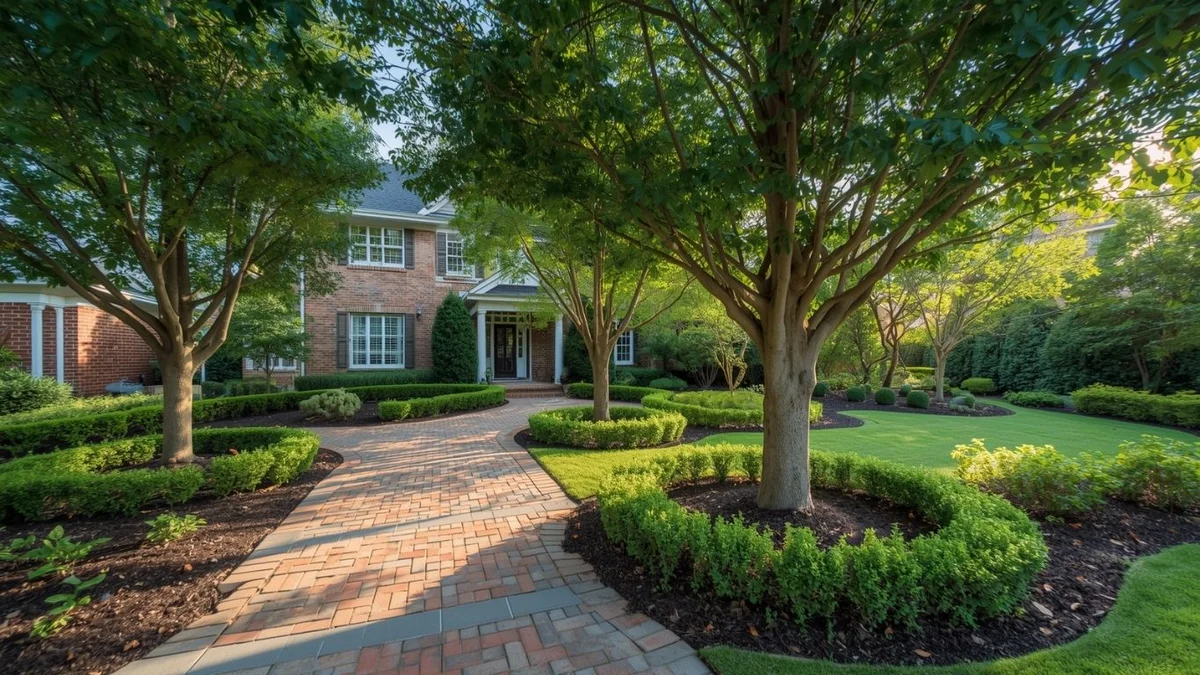
Landscape planning is not only about adding new features but also about making strategic decisions that shape how a property evolves over time. Trees play a major role in this process, yet not every tree continues to support the long term vision of a property. As trees grow, they may begin to compete for space, block light, or interfere with future improvements.
Removing the right tree at the right time allows homeowners to guide how their outdoor space develops. Instead of working around limitations, it becomes possible to design a landscape that is functional, balanced, and easier to maintain.
A trusted starting point for evaluating these decisions is Bump Your Stump, where professional insight helps determine when removal supports long term goals.
Creating Space for Future Landscape Design
One of the most important benefits of tree removal is the ability to create open space for future projects. Large trees often dominate a yard, leaving little room for additional landscaping features such as patios, gardens, or expanded lawn areas.
Clearing that space allows for better planning and more flexibility. Instead of being restricted by existing structures, homeowners can redesign their yard based on how they want to use it moving forward. This is especially important for properties where outdoor living areas are a priority.
Professional tree removal services help open these areas so they can be repurposed for functional and visually appealing upgrades.
Improving Light Distribution Across the Property
Sunlight plays a critical role in landscape health. Trees that are too large or poorly positioned can block light from reaching grass, gardens, and other plantings. This often leads to uneven growth, patchy lawns, and difficulty maintaining healthy vegetation.
Removing selected trees improves how light is distributed across the yard. Increased sunlight supports stronger grass growth and allows other plants to thrive. It also makes outdoor spaces feel brighter and more inviting.
Better light distribution is one of the key factors that supports long term landscape success and reduces ongoing maintenance challenges.
Supporting Healthier Soil and Plant Growth
Tree roots compete for nutrients, water, and space beneath the surface. When too many roots occupy the same area, surrounding plants struggle to establish themselves. This competition can limit growth and reduce the effectiveness of landscaping efforts.
Removing certain trees reduces this competition and allows soil nutrients to be used more efficiently. The result is a healthier environment for grass, shrubs, and decorative plants. Over time, this leads to a more balanced and sustainable landscape.
Enhancing Property Layout and Accessibility
Tree placement has a direct impact on how a property is used. Trees located near walkways, driveways, or entry points can restrict movement and limit accessibility. As trees grow, these issues often become more noticeable.
Removing poorly positioned trees improves how people move through the property. It creates clearer pathways, better visibility, and a more organized layout. These improvements contribute to both convenience and safety.
Many property owners choose to review completed transformations through our work to understand how removal improves layout and usability.
Reducing Long Term Maintenance Demands
Some trees require ongoing maintenance to manage their size, shape, and condition. Over time, this maintenance can become costly and time consuming. In situations where a tree no longer adds value to the property, removal can be a more practical long term solution.
By eliminating high maintenance trees, homeowners can simplify their landscape care routine. This allows them to focus on maintaining features that provide greater benefit and require less effort.
Preventing Future Structural and Landscape Conflicts
Trees that are too close to structures can create long term challenges. Roots may interfere with foundations, while branches can extend toward roofs or siding. These issues often develop gradually, making them easy to overlook until damage occurs.
Strategic removal helps prevent these conflicts before they become serious problems. By planning ahead, homeowners can protect both their property and their landscape design from future complications.
Understanding these long term benefits is often part of the decision making process when reviewing why homeowners work with Bump Your Stump for professional guidance.
Aligning Tree Removal With Long Term Property Goals
Every property has a unique purpose, whether it is focused on outdoor living, aesthetic design, or functional space. Tree removal supports these goals by allowing homeowners to align their landscape with how they intend to use it.
Removing unnecessary or obstructive trees creates opportunities for improvement. It becomes easier to plan additions, expand usable space, and maintain a cohesive design.
Taking the next step toward these improvements often begins when property owners decide to schedule your appointment for a professional evaluation.
Making Landscape Improvements More Affordable Over Time
Large landscaping projects often require careful budgeting and planning. Removing trees early in the process can help avoid unexpected costs later by preventing structural issues or redesign complications.
When financial planning is part of the process, flexible options can help make improvements more manageable. Many homeowners consider available options through financing when planning long term landscape upgrades.
Continuing to Improve Your Landscape Over Time
Landscape planning is an ongoing process that evolves with the property. As conditions change, adjustments may be needed to maintain balance and functionality. Tree removal is one of the tools that helps guide this process and ensures the landscape continues to meet the homeowner’s needs.
Additional tips and ongoing guidance can be found through more guides and insights, where property care strategies are shared to support long term success.
FAQs
How does tree removal support landscape planning
Tree removal creates space, improves light distribution, and reduces competition for resources, allowing better planning.
Does removing trees improve property layout
Yes. It enhances accessibility, visibility, and overall organization of the space.
Can tree removal help with future landscaping projects
Yes. Removing trees allows homeowners to redesign their yard without limitations.
Is tree removal a long term investment
Yes. It helps prevent future issues and supports sustainable landscape development.