
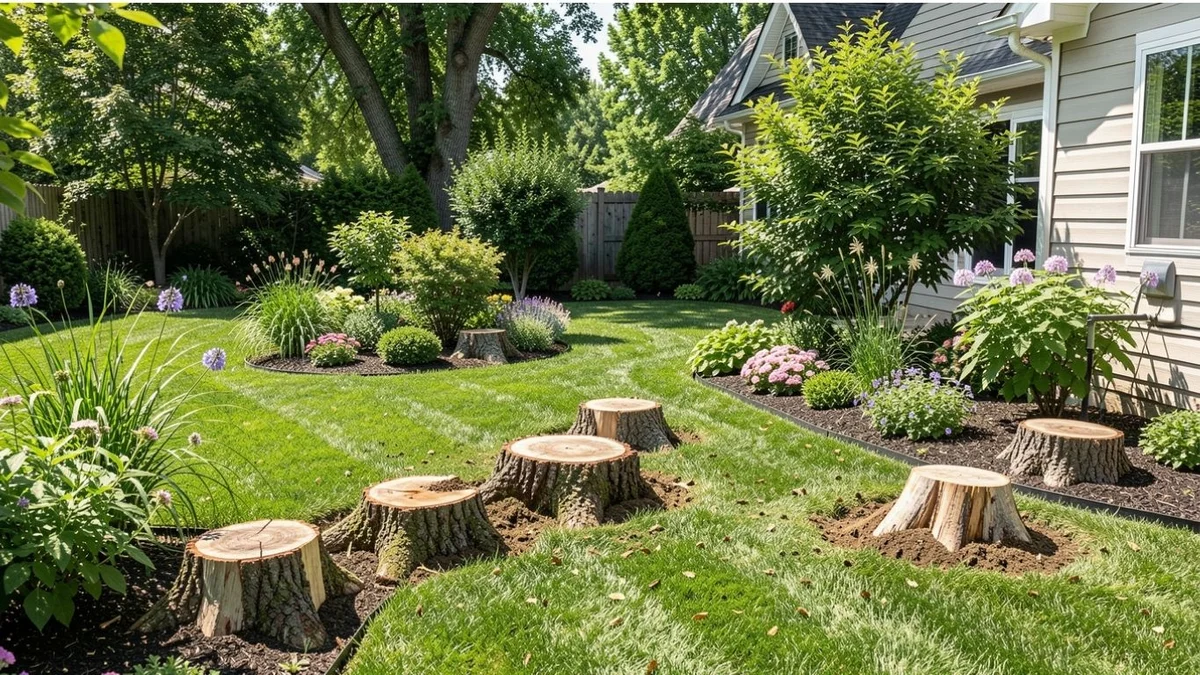
Tree removal often solves the most immediate problem on a property, but when the remaining stump is left behind it can continue affecting the yard in several ways. Many homeowners initially believe that a stump will naturally disappear over time, yet the reality is quite different. A stump can remain in the ground for years while slowly decaying, and during that time it may disrupt how the landscape functions.
A stump may seem small compared with the tree that once stood there, but it still represents a solid obstacle within the yard. Its presence can interfere with mowing, landscaping projects, and even the natural growth of surrounding plants. Over time, it may also begin attracting insects or creating uneven soil conditions that affect lawn quality.
Because of these long term impacts, many homeowners choose to address leftover stumps rather than leaving them to decay naturally. Property owners who want to restore a clean and functional outdoor space often start by consulting professionals such as Bump Your Stump to determine the best solution for removing or grinding the stump.
Why Tree Stumps Make Lawn Maintenance More Challenging
Routine lawn maintenance becomes more complicated when a tree stump remains in the yard. Mowing and edging are designed to be smooth and consistent tasks, yet stumps introduce obstacles that disrupt the process. Homeowners often find themselves slowing down mowing patterns, trimming manually around the stump, or leaving uneven patches of grass where equipment cannot reach.
Over time these small inconveniences add up. Areas around the stump may develop taller grass or irregular edges simply because they require extra attention. This can lead to a lawn that appears inconsistent even when the rest of the yard is well maintained.
In addition to affecting mowing routines, stumps can also damage lawn equipment if they are struck accidentally. Blades, wheels, and other parts of mowing equipment are not designed to collide with solid wood structures. The risk of damaging equipment increases when the stump becomes partially hidden by grass growth or when mowing occurs during lower visibility conditions.
Another maintenance challenge occurs as the stump begins to decay. Roots beneath the soil gradually break down, which can cause the ground around the stump to settle unevenly. Small depressions or raised areas may form, making the surface less stable and more difficult to maintain.
The Influence of Tree Stumps on Landscaping Projects
Tree stumps can significantly limit what homeowners are able to accomplish when redesigning or improving their landscape. Many outdoor projects require level ground and the ability to dig into the soil. When a stump remains in place, its root system often extends far beyond the visible portion above ground.
These underground roots can interfere with landscaping plans such as garden beds, decorative borders, or patio installations. Attempting to plant around these roots may lead to poor soil preparation and limited plant growth. In some cases the roots make it impossible to dig deep enough to properly install landscaping features.
When the stump is removed, the surrounding space becomes far more flexible. Homeowners gain the freedom to reshape the yard according to their needs. This may include installing new plants, expanding lawn areas, or creating functional outdoor living spaces.
One of the most effective ways to remove the obstacle created by a stump is professional grinding. Homeowners interested in restoring the usability of their yard often rely on professional stump grinding services to eliminate the remaining wood and open the space for landscaping improvements.
How Tree Stumps Affect the Appearance of a Landscape
The visual impact of a yard plays an important role in how a property is perceived. Even a well maintained lawn can appear unfinished when a large stump remains in the center of the space. Because the tree itself is no longer present, the stump often looks out of place and disrupts the visual flow of the landscape.
A stump can draw attention away from other landscaping features that homeowners have worked to create. Flower beds, shrubs, and decorative elements may appear less prominent when a large piece of exposed wood stands nearby. This can make the entire yard seem incomplete.
In addition to affecting aesthetics, stumps can influence how sunlight reaches the surrounding grass and plants. When a stump is surrounded by remaining roots and uneven soil, it may limit healthy grass growth in that area. This can create patchy spots in the lawn that further affect the overall appearance of the property.
Removing the stump helps restore visual balance to the yard and allows the landscape design to function as intended.
Pest Activity and Decay Associated With Tree Stumps
Tree stumps naturally begin to decay over time, and this process often attracts insects and fungi. Decaying wood provides a food source for many types of insects, including beetles and termites. Once these insects establish themselves within the stump, they may begin spreading to nearby plants or other wooden structures on the property.
Fungi are another common issue associated with stumps. Moist wood creates an environment where fungal growth can thrive, particularly in shaded areas of the yard. While some fungi are harmless, others may spread to surrounding soil or vegetation.
The presence of pests and fungal growth can create additional concerns for homeowners who want to maintain a healthy landscape. Addressing the stump early helps prevent these issues from developing or spreading further.
Improving Yard Functionality Through Stump Removal
When a stump is removed from the yard, homeowners often notice immediate improvements in how the space functions. The lawn becomes easier to maintain, mowing patterns become more efficient, and the overall appearance of the property improves.
Removing the stump also creates a safer environment for everyday activities. Children playing in the yard, guests walking through the property, and homeowners performing routine maintenance are less likely to encounter tripping hazards.
The transformation can be significant enough that many homeowners choose to review real examples of completed projects before deciding to remove their stump. Property owners often explore previous work through our work to understand how stump removal improves outdoor spaces.
Why Professional Expertise Matters for Stump Removal
Removing a stump requires more than simply cutting away visible wood. The process must address both the stump and its root system while protecting surrounding landscaping and soil conditions. Professionals use specialized equipment designed to grind the stump below ground level so that the area can be restored.
Experience also plays an important role in determining the most effective approach for each property. Factors such as soil composition, stump size, and surrounding structures all influence how removal should be performed.
Many homeowners evaluate service providers carefully before beginning a project. Learning why homeowners work with Bump Your Stump often helps property owners understand the value of professional expertise when addressing stump issues.
Planning Yard Improvements After Stump Removal
Once the stump is removed, homeowners gain much greater flexibility when planning their outdoor space. The newly cleared area can be used for additional lawn growth, decorative landscaping, or new outdoor features that improve how the property functions.
Homeowners who are ready to restore their yard often take the next step by choosing to schedule your appointment for a professional evaluation.
For larger landscaping improvements, flexible options are available through financing.
Those who want to learn more about tree care and landscape maintenance frequently explore more guides and insights to continue improving their outdoor spaces.
FAQs
Do tree stumps interfere with lawn maintenance
Yes. Stumps create obstacles that make mowing and edging more difficult and time consuming.
Can tree stumps affect landscaping projects
Yes. Roots and remaining wood can prevent digging and installing new landscape features.
Do tree stumps attract pests
Yes. Decaying wood often attracts insects and fungi that can spread throughout the yard.
How does stump grinding help improve a yard
Grinding removes the stump below ground level so the area can be restored for grass or landscaping.
Is professional stump removal recommended
Yes. Professional services ensure safe and effective removal while protecting surrounding landscaping.