
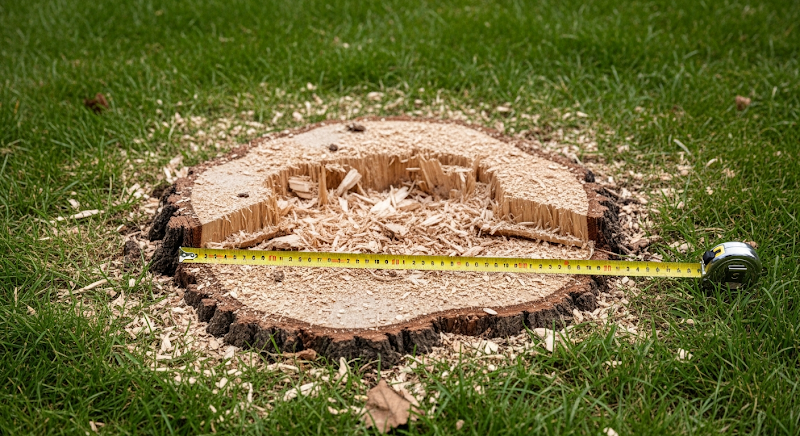
Most Hopedale homeowners pay somewhere between 100 and 400 dollars to grind a single stump, with the average job landing around 150 to 250 dollars. That range holds for a typical residential stump left behind after a maple, oak, or pine came down. The final number depends on the diameter of the stump, how deep the roots run, the wood species, and how easy it is to roll a grinder up to the spot. Understanding those variables ahead of time saves you from sticker shock and helps you compare quotes fairly. The team at Bump Your Stump Stump Grinding & Tree Service LLC has ground everything from tidy suburban stumps near the Hopedale Pond to gnarly old root balls tucked against stone walls, so this guide reflects real pricing patterns in Worcester County rather than a national average pulled from thin air.
Pricing in a small Massachusetts town differs from what you would see quoted in a Boston suburb or a rural stretch out west. Local factors like tight lot lines, mature trees planted decades ago, and rocky New England soil all push the number one way or another. The sections below break down exactly what drives your quote and where you can realistically expect to land.
The Main Factors That Set Your Price
No two stumps grind the same way. A contractor sizing up your yard is reading several signals at once, and each one nudges the estimate up or down. Knowing what they look for lets you predict your own cost before anyone shows up with a machine.
Stump Diameter and Root Spread
Diameter is the single biggest driver. Many grinders price per inch, measured across the widest point of the stump at ground level, and rates in this region tend to run 3 to 5 dollars per inch with a minimum charge. A 12 inch stump might cost 60 to 100 dollars on paper, but the minimum job fee often bumps that to 100 or more because it is not worth mobilizing equipment for pocket change. A broad 30 inch oak stump with a flaring root collar can easily reach 150 to 250 dollars on its own.
Wood Species and Age
Hardwoods like oak, maple, and beech are dense and slow to chew through, which adds time and wear on the cutting teeth. Softwoods such as pine and spruce grind faster. A freshly cut stump is generally easier than one that has been sitting for years, because seasoned wood can harden and the surrounding soil packs in tight. Old stumps also tend to hide surprises like embedded stones or fence wire that dull the teeth.
Access and Site Conditions
A stump sitting in the open middle of a lawn is the cheapest scenario. Once a grinder has to squeeze through a 36 inch gate, navigate a backyard slope, or work around a septic field, sprinkler heads, patio pavers, or a stone wall, labor climbs. Machines that fit narrow access points are smaller and slower, so tight sites in older Hopedale neighborhoods sometimes carry a modest access surcharge.
Number of Stumps
Grinding several stumps in one visit almost always lowers the per stump price. The bulk of the cost is showing up, unloading the machine, and setting up, so the second and third stumps ride along at a discount. If you have a cluster from a recent lot clearing or a line of removed hedges, ask for a package rate rather than pricing each one alone.
How Grinding Compares to Full Tree Work
Stump grinding is usually a follow up to a larger project, and pairing services can shave money off the total. If a tree is still standing and needs to come down first, that removal is a separate line item priced on height, canopy spread, and proximity to structures.
For the standalone grinding work itself, professional stump grinding services reduce a stump to a pile of chips several inches below grade, which lets you replant grass, lay sod, or set a new tree without a woody obstruction in the way. That depth matters if you plan to build over the spot or run a mower across it.
Bundling matters more than people expect. When a crew is already on site handling safe and reliable tree removal, adding the stump to the same appointment costs far less than booking a separate trip weeks later. You avoid a second mobilization fee and the crew already has the equipment staged nearby.
Extra Costs to Watch For
The headline grinding price rarely covers everything. A few add ons show up on quotes often enough that you should ask about them up front rather than discovering them on the invoice.
Root Chasing
Surface roots that snake out from the stump and lift a walkway or lawn are not always included in the base price. Grinding those runners adds time and is sometimes billed separately, often 25 to 50 dollars depending on how many feet you want cleared.
Debris and Chip Removal
Grinding produces a surprising volume of wood chips and soil, roughly enough to overfill a wheelbarrow several times for a mid sized stump. Many contractors leave the chips on site because homeowners use them as mulch. If you want the material hauled away and the hole backfilled with clean loam, expect an extra 50 to 150 dollars.
Depth Below Grade
Standard grinding goes 4 to 6 inches below the surface. If you need it deeper for a foundation, a fence post, or new construction, the crew has to make additional passes, and that deeper work carries a premium.
When Storm Damage Changes the Math
A stump left by a healthy planned removal is straightforward. A stump created by a nor’easter that snapped a tree at the base and scattered limbs across the yard is a different animal. The wood may be split, twisted, or partly buried under displaced soil, and there can be broken root plates heaved out of the ground.
After a bad blow, storm damage cleanup and recovery often needs to happen before any grinder can reach the stump safely. Clearing hangers, sectioning downed trunks, and hauling brush all precede the grinding step, and those tasks are priced on the scope of the mess. Insurance sometimes covers storm related tree work, so document the damage with photos before anyone starts cutting.
Should You Rent a Grinder Instead
Rental grinders run about 100 to 200 dollars a day from a local equipment yard, which sounds cheaper than hiring a pro until you count the full picture. You still have to transport a heavy machine, learn to operate a cutting wheel spinning at high speed, and dispose of the chips yourself. A single stubborn oak stump can eat an entire afternoon of trial and error.
The math favors renting only when you have several easy stumps and real comfort around power equipment. For one or two stumps, or anything near utilities, foundations, or hardscape, a professional finishes faster, carries insurance if something goes wrong, and leaves the site cleaner. The wear on rental teeth and the fuel also chip away at the supposed savings.
How to Get an Accurate Quote
The best estimates come from a quick look at the actual stump, either in person or from clear photos with something for scale like a tape measure or a shovel laid across the top. Vague phone quotes tend to widen once the contractor sees the root flare or the access route in person.
Measure the stump across its widest point at ground level, note the species if you know it, and mention anything nearby that complicates access. Ready to move forward? You can schedule an appointment today and get a firm price tailored to your yard rather than a rough guess. A precise quote up front means no awkward surprises when the work wraps up.
Getting the Most Value From the Job
Timing and preparation both influence what you pay. Booking during slower stretches, clearing loose obstacles from around the stump ahead of time, and grouping multiple stumps into one visit all trim the total. Ask whether the crew backfills the hole and whether chip cleanup is included so you are comparing quotes on equal footing.
A ground stump also protects the rest of your property. Old stumps attract carpenter ants and termites, sprout unwanted suckers, and become tripping hazards hidden in tall grass. Spending 150 to 250 dollars now to erase one is cheaper than dealing with pests or a lawsuit from a guest who trips later. Weigh the cost against a clean, usable, safe yard and the number usually looks small.
Frequently Asked Questions
Below are the questions Hopedale homeowners ask most often when they start pricing stump work.
Frequently Asked Questions
What is the average cost to grind one stump in Hopedale
Most single stumps fall between 100 and 400 dollars, with the typical residential job landing around 150 to 250 dollars. Diameter, wood species, and site access are the main things that move the price within that range.
Is stump removal the same as stump grinding
No. Grinding chews the stump down into chips several inches below grade and leaves the roots to decay naturally, which is faster and cheaper. Full removal extracts the entire root ball and leaves a large hole, so it costs considerably more and disturbs more of your yard.
Does the price include cleaning up the wood chips
Not always. Many contractors leave the chips on site so you can use them as mulch. Hauling the debris away and backfilling the hole with loam is often a separate charge of roughly 50 to 150 dollars, so ask what is included when you get your quote.
How deep does grinding go
Standard grinding removes the stump 4 to 6 inches below the surface, which is deep enough to replant grass or lay sod. If you plan to build, install a fence post, or set new construction over the spot, request extra depth, which costs more because the crew makes additional passes.
Can grinding happen the same day as tree removal
Yes, and it usually saves money. When a crew is already on your property taking a tree down, adding the stump to the same visit avoids a second trip and a second setup fee, so the grinding portion costs less than booking it separately.
Will grinding damage my lawn or driveway
A careful operator protects surrounding surfaces, but grinders are heavy and can leave tire marks on soft turf. Clearing the area, marking sprinkler heads and utility lines, and discussing access ahead of time keeps damage to a minimum.