
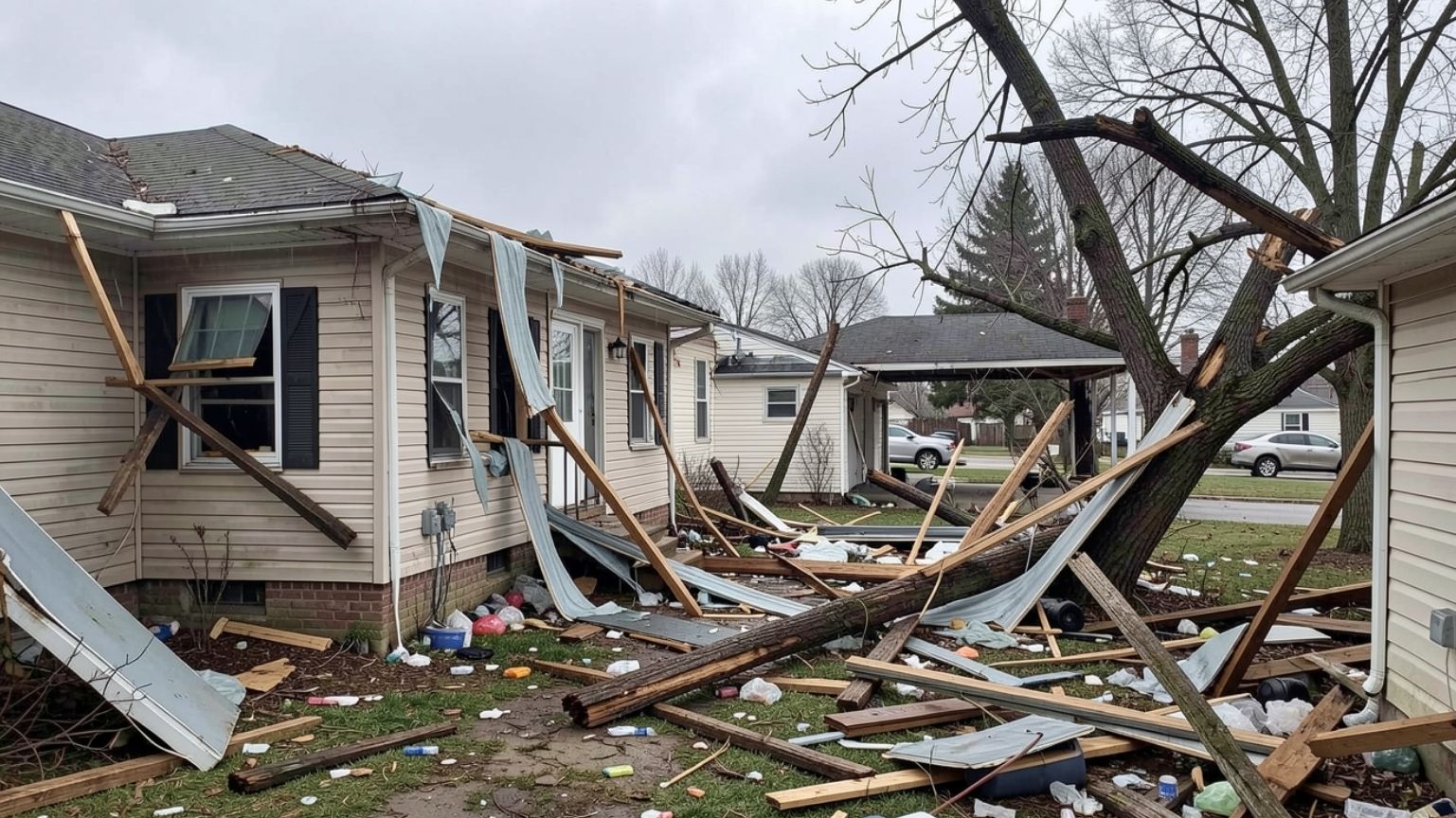
Severe storms can leave behind more than visible damage. Fallen trees, broken limbs, saturated soil, and weakened structures often create hidden hazards that continue to develop long after the weather clears. For homeowners, knowing what to do in the immediate aftermath of a storm can make a significant difference in protecting both safety and property.
The first hours after storm damage are critical. Trees that appear stable may have compromised root systems, and branches lodged in canopies can fall without warning. In many cases, additional damage occurs not during the storm itself, but in the period that follows when weakened trees and debris shift unexpectedly.
By taking the right steps early, homeowners can reduce the risk of injury, prevent secondary property damage, and set the foundation for a smoother recovery process. The guidance below outlines the most important actions to take immediately after a storm to restore safety and regain control of your property.
Prioritizing Personal and Property Safety After a Storm
After a storm passes, conditions around your home may be far more dangerous than they appear. Fallen trees, broken branches, unstable soil, and hidden structural damage can all pose serious safety threats. Before stepping outside, homeowners should take time to assess the situation from a distance. Avoid walking under hanging branches, touching fallen trees, or approaching areas where damage appears severe.
Storm damage often creates unstable conditions that continue to change even after the weather clears. Trees weakened by wind or rain may fall hours or days later, and branches caught in canopies can shift unexpectedly.
Many homeowners rely on Bump Your Stump when immediate professional guidance is needed to restore safety and prevent further damage.
Conducting a Careful Property Assessment
Once it is safe to do so, homeowners should carefully inspect their property for visible and hidden damage. Storms can affect trees, soil, fences, roofs, and foundations in ways that are not immediately obvious. Walking slowly and observing changes can help identify areas that require professional attention.
Look for trees leaning more than usual, exposed roots, cracked trunks, or limbs resting on other trees. These issues often worsen if left unaddressed.
Identifying Tree Instability
Saturated soil can loosen roots, making trees vulnerable even if they appear upright. Trees with shifting root plates or visible soil mounding should be considered unstable.
Spotting Hanging and Broken Limbs
Limbs lodged in canopies or resting against structures can fall without warning. These hazards require professional removal.
Avoiding Cleanup Actions That Increase Risk
The urge to clean up immediately is understandable, but improper cleanup can be dangerous. Cutting or moving large limbs without proper training can lead to serious injury. Chainsaws, ladders, and heavy debris increase risk when used without experience.
Professional crews use specialized equipment and follow strict safety practices to handle storm damaged trees safely.
Homeowners facing hazardous conditions often turn to a dedicated storm damage tree service to manage cleanup without unnecessary risk.
Preventing Secondary Damage After the Storm
Storm damage does not always end when the weather clears. In many cases, the most serious risks develop in the hours or days that follow. Trees weakened by high winds may continue to shift as the ground dries or settles. Limbs that remain lodged in canopies can fall unexpectedly, creating hazards for people, vehicles, and structures below. Even debris resting against roofs or fences can cause gradual damage if left in place.
Soil conditions also play a major role in secondary damage. Heavy rain can compact soil around root systems, reducing stability and increasing the likelihood of delayed tree failure. Foot traffic and vehicle movement across saturated ground can worsen compaction, disturb roots, and interfere with drainage. Over time, these issues may lead to leaning trees, pooling water, or erosion that affects the foundation of nearby structures.
Documenting Storm Damage for Records and Claims
Proper documentation is an important step in protecting your property after storm damage. Clear and detailed records help establish the scope of damage and provide a reliable reference for recovery decisions. Photographs should be taken as soon as conditions are safe, capturing wide views of affected areas as well as close up images of fallen trees, broken limbs, damaged structures, and displaced soil.
In addition to photos, written notes add valuable context. Recording the date of the storm, the type of weather involved, and the sequence of events helps create a clear timeline. Homeowners should also document any immediate actions taken, such as temporary safety measures or emergency cleanup, to provide a complete picture of the situation.
Understanding Why Professional Recovery Matters
Storm recovery often involves more than debris removal. Trees may require trimming, structural support, or removal depending on damage severity. Soil and drainage issues may also need attention after heavy rain.
Homeowners often review completed recovery projects through our work to see how professional storm response restores safety and property appearance.
Choosing Local Experience for Storm Response
Local experience plays a major role in effective storm damage recovery. Professionals who understand area specific conditions are better equipped to assess risks and recommend appropriate solutions. Knowledge of the local environment helps ensure storm response efforts are both safe and efficient.
Homeowners benefit from working with professionals who understand:
- Common tree species found in the area and how they respond to storm stress
- Soil conditions that affect root stability after heavy rainfall
- Seasonal weather patterns that influence delayed tree failure
- Typical storm damage scenarios that occur in residential neighborhoods
- Proper recovery methods that reduce long term property impact
Many homeowners choose service providers carefully by learning why homeowners work with Bump Your Stump before scheduling storm response services.
Scheduling Professional Storm Damage Services
Delaying service can allow damage to worsen. Trees weakened by storms may fail later even during calm weather. Scheduling service promptly reduces long term risk and supports faster recovery.
Homeowners often begin recovery by choosing to schedule your appointment once conditions are safe.
For larger recovery projects, flexible payment options are available through financing.
Additional storm preparation and recovery resources can be found through more guides and insights.
FAQ’s
Should I attempt to remove storm damaged trees myself
Large or unstable trees should always be handled by professionals to reduce injury risk.
Can trees fall days after a storm
Yes. Root damage and internal fractures often cause delayed failures.
Is professional storm cleanup necessary
Professional services ensure safety and reduce the risk of further damage.
How soon should storm damage be addressed
As soon as conditions are safe to prevent secondary issues.