
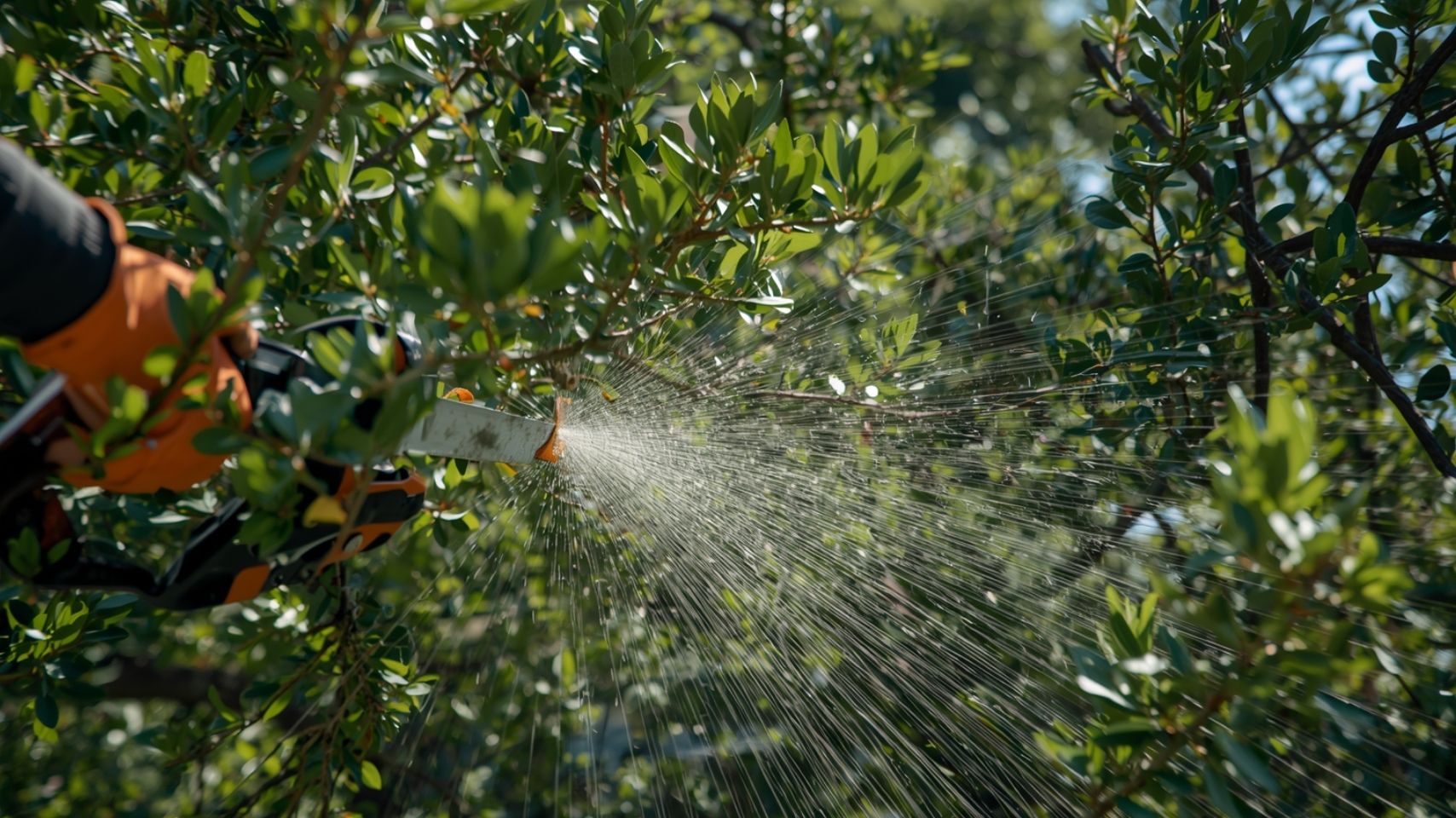
Trees play an important role in shaping the appearance and function of a property. However, when tree growth is left unmanaged, it can gradually introduce a wide range of issues. What begins as natural development can eventually interfere with structures, landscaping, and overall property safety.
Uncontrolled growth often leads to dense canopies, extended branches, and root expansion that affects surrounding areas. These changes may not be noticeable at first, but over time they create conditions that are more difficult to manage and more costly to correct.
Professional evaluation is often the first step in identifying these risks, which is why many property owners turn to Bump Your Stump for guidance on maintaining healthy and balanced tree growth.
How Overgrown Branches Can Damage Structures
As trees grow, branches naturally extend outward in search of light and space. When this growth is not managed, branches may begin to reach toward roofs, windows, siding, and other structural elements. Over time, even light contact can cause wear and damage.
Wind and weather conditions increase the impact of these branches. Movement during storms can cause branches to scrape surfaces, loosen materials, or break windows. These issues often develop slowly, making them easy to overlook until damage becomes visible.
Roof and Siding Exposure
Branches that hang too close to the home can gradually wear down roofing materials and siding. This exposure may lead to leaks or structural concerns.
Window and Exterior Damage
Contact between branches and windows can create cracks or scratches, especially during high wind conditions.
Root Expansion and Its Effect on Property Foundations
Tree growth does not only occur above ground. Root systems expand beneath the surface in search of water and nutrients. As roots grow, they can interfere with foundations, walkways, and underground systems.
These issues often develop gradually and may go unnoticed until visible signs appear. Cracks in pavement, uneven walkways, and shifting soil are all indicators of root related problems.
In residential settings, these changes can affect both the stability and appearance of the property. Addressing root related concerns early helps prevent long term structural issues.
Increased Risk of Storm Related Damage
Trees that are not properly maintained are more vulnerable during storms. Overgrown branches, uneven weight distribution, and weakened limbs increase the likelihood of breakage.
Storm conditions place significant stress on trees, especially when wind interacts with dense canopies. This can lead to falling branches or, in severe cases, complete tree failure.
Preventive maintenance plays a key role in reducing these risks. Many property owners rely on professional tree trimming services to maintain balanced growth and improve storm resilience.
How Ignoring Tree Growth Affects Lawn and Landscape Health
Unmanaged trees can have a significant impact on surrounding landscaping. Dense canopies block sunlight, limiting the ability of grass and plants to grow evenly. Over time, this results in patchy lawns and weakened vegetation.
In addition to limiting light, tree roots compete with other plants for nutrients and water. This competition can prevent gardens and lawns from reaching their full potential.
As these issues develop, maintaining a healthy landscape becomes more difficult. Addressing tree growth helps restore balance and supports better overall plant health.
Reduced Property Accessibility and Usability
Tree growth can also affect how a property is used. Branches that extend into walkways or driveways reduce visibility and restrict movement. This can create inconvenience as well as safety concerns.
Over time, these obstructions may limit how outdoor spaces are used. Areas that were once open and functional may become difficult to access or maintain.
Seeing how these changes affect real properties often helps clarify the importance of maintenance, which is why many property owners review examples through our work.
Higher Maintenance Demands Over Time
Ignoring tree growth often leads to increased maintenance demands. As trees become larger and more complex, managing them requires more time and effort.
Small issues that could have been addressed early may develop into larger problems that require extensive work. This includes removing large branches, repairing damage, and restoring affected areas of the property.
Regular maintenance helps prevent these situations and keeps overall care more manageable.
Why Professional Tree Care Is Essential
Managing tree growth effectively requires knowledge of how different species develop and respond to environmental conditions. Proper care involves more than cutting branches. It requires strategic decisions that support long term health and stability.
Professional services ensure that trees are maintained in a way that protects both the property and the landscape. This includes identifying potential risks and addressing them before they become serious issues.
Understanding the value of professional care often leads property owners to learn more about why homeowners work with Bump Your Stump before scheduling service.
Planning Preventive Maintenance for Long Term Property Health
Preventive maintenance is one of the most effective ways to avoid property issues related to tree growth. Regular inspections and trimming help maintain balance and reduce the risk of damage.
Taking a proactive approach allows homeowners to manage tree growth before it becomes a problem. This supports a safer and more functional property over time.
Moving forward with a maintenance plan often begins when property owners decide to schedule your appointment for a professional evaluation.
For larger property improvements, flexible options are available through financing.
Ongoing education and guidance can be found through more guides and insights to support long term property care.
Frequently Asked Questions
What happens if tree growth is ignored
Unmanaged growth can lead to structural damage, safety risks, and increased maintenance challenges.
Can tree roots damage foundations
Yes. Expanding roots can interfere with foundations, walkways, and underground systems.
Does tree trimming prevent property issues
Yes. Regular trimming helps maintain balanced growth and reduces potential risks.
How often should tree growth be managed
Regular inspections and maintenance are recommended to prevent long term problems.
Is professional tree care necessary
Yes. Professional services ensure safe and effective management of tree growth.